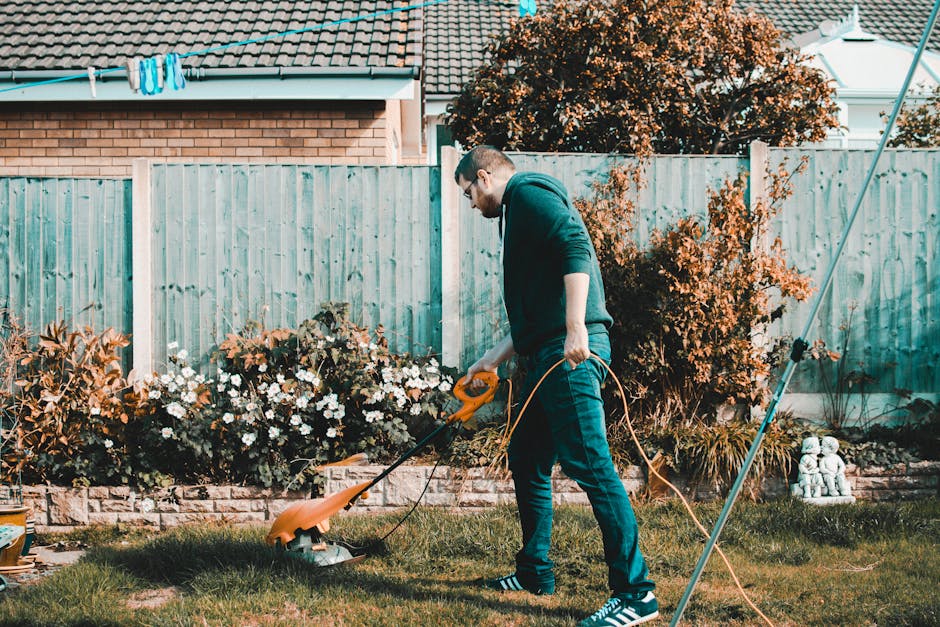
Waterloo Lower Marsh garden maintenance guide for small yards
If you are looking after a compact garden in Waterloo Lower Marsh, you already know the challenge: every square metre has to earn its keep. A small yard can feel tidy one week and cluttered the next, especially when pruning, weeds, damp patches, and awkward corners all pile up at once. This Waterloo Lower Marsh garden maintenance guide for small yards is designed to help you keep control without overcomplicating the job.
Small gardens are actually easier to maintain in some ways, but only if you use the right rhythm. The trick is not doing more. It is doing the right things at the right time. A few well-timed cuts, a bit of regular edging, and some sensible plant choices can make a tiny yard look calm, brighter, and much bigger than it is. Truth be told, that is often the difference between a yard you enjoy and one you keep "meaning to sort out".
In this guide, you will find a practical approach to garden maintenance for compact urban spaces, including weekly and seasonal tasks, common mistakes, tools that genuinely help, and when it makes sense to bring in professional help. For broader service support, you may also find the main garden maintenance service and the wider services overview useful.
Let's get into the useful bit.
Table of Contents
- Why Waterloo Lower Marsh garden maintenance guide for small yards Matters
- How Waterloo Lower Marsh garden maintenance guide for small yards Works
- Key Benefits and Practical Advantages
- Who This Is For and When It Makes Sense
- Step-by-Step Guidance
- Expert Tips for Better Results
- Common Mistakes to Avoid
- Tools, Resources and Recommendations
- Law, Compliance, Standards, or Best Practice
- Options, Methods, or Comparison Table
- Case Study or Real-World Example
- Practical Checklist
- Conclusion
- Frequently Asked Questions
Why Waterloo Lower Marsh garden maintenance guide for small yards Matters
Small yards in Waterloo Lower Marsh and nearby central London settings often face the same set of pressures: limited light, restricted access, nearby buildings, dust from traffic, and the simple fact that there is nowhere to hide a mess. A dropped leaf looks bigger. A patch of moss appears faster. One overgrown shrub can dominate the whole space. Sound familiar?
That is why a small-yard maintenance plan matters. In a compact outdoor space, maintenance is not about achieving perfection. It is about preventing minor issues from becoming the thing you notice every time you look outside. A neat border, healthy lawn edges, and properly trimmed plants create a sense of order that instantly changes how the garden feels.
There is also a lifestyle side to it. Small yards are often used more intensively than larger gardens. They become breakfast spots, drying spaces, planting pockets, or a place to put a chair for ten quiet minutes after work. If they are well maintained, they feel inviting. If not, they start to feel like a chore. And nobody wants that.
In practical terms, regular garden maintenance also helps you:
- keep plants healthy rather than simply presentable
- reduce trip hazards, slippery surfaces, and blocked access
- avoid weeds setting seed and spreading into borders or paving
- make better use of every inch of space
- spot drainage, soil, or pest issues early
If your yard includes hard landscaping, even a small amount of wear matters. A little moss on paving, a cracked edge, or a loose board can change the feel of the whole space. That is where checking the wider structure of the garden, not just the planting, becomes important. If you need help with structural outdoor features, the landscaping service and decking services may be relevant.
How Waterloo Lower Marsh garden maintenance guide for small yards Works
Think of small-yard maintenance as a cycle rather than a one-off project. You are not "finishing" the garden. You are keeping it balanced. The work tends to fall into four layers: regular tidying, plant care, surface care, and seasonal adjustment.
Regular tidying covers the visible basics: sweeping, picking up leaves, removing spent blooms, deadheading, and keeping edges crisp. This is the kind of work that takes a modest amount of time but gives a strong visual return. In a small yard, a five-minute tidy can make the whole place look twice as cared for.
Plant care means pruning, feeding where appropriate, checking for pests, and making sure plants are not fighting for space or light. In compact yards, plant competition happens fast. A shrub that looked fine in April can feel crowded by July.
Surface care includes mowing if you have a lawn, cleaning paving, dealing with algae or moss, and checking gravel, containers, and timber for wear. Small gardens often combine surfaces, which is lovely, but it does mean each material needs different attention.
Seasonal adjustment is where the real difference happens. A small London yard can look very different from month to month. Spring might call for cutting back and feeding. Summer is about watering, trimming, and keeping growth under control. Autumn means clearing leaves before they smother beds or block drains. Winter is a good time to reshape, reset, and tackle bigger jobs if weather allows.
The working principle is simple: inspect, tidy, cut back, clear away, and then make one small improvement. That last part is important. Even a compact garden benefits from gradual upgrades instead of all-at-once chaos.
Key Benefits and Practical Advantages
A good maintenance routine does more than keep a yard looking neat. It makes the garden easier to live with. That sounds obvious, but it is often overlooked.
- More usable space: removing clutter and keeping growth controlled makes small yards feel larger.
- Better light: trimming back overgrowth can open up shaded corners and improve the feeling of brightness.
- Healthier planting: regular pruning and weeding reduce stress on plants and allow stronger growth.
- Lower long-term effort: small, frequent tasks usually prevent big seasonal clean-ups later.
- Improved appearance: clean borders and tidy surfaces are especially effective in compact spaces.
- Safer movement: clear paths, even surfaces, and sensible trimming reduce accidents.
For many homeowners and tenants, the biggest benefit is not visual alone. It is mental. A tidy yard gives you a sense of calm when you step outside, even if it is only for a few minutes in the morning with a cup of tea. That matters more than people admit.
There is also a practical cost angle. Regular maintenance can reduce the need for heavy clearance later. If growth is allowed to run wild, you may eventually need a more intensive reset. In some cases, a one-off garden clearance can be the right starting point before you move to routine care.
Expert summary: In a small yard, good maintenance is mostly about consistency. Little and often usually beats occasional heroic effort. The garden stays manageable, plants stay healthier, and the whole space feels more intentional.
Who This Is For and When It Makes Sense
This guide is useful if you own, rent, or manage a small outdoor space in Waterloo Lower Marsh or a similar inner-London location. It is especially relevant if your garden:
- is narrow, courtyard-style, or mostly paved
- has a small lawn that is difficult to keep even
- contains containers, raised beds, or a few shrubs rather than a full border garden
- is shaded by nearby buildings, walls, or taller trees
- needs to look smart without requiring constant effort
It also makes sense if you are weighing up whether to do the work yourself or bring in help. Some small yards are straightforward enough for routine upkeep. Others are a bit fiddly. Sloping ground, awkward access, overgrown hedge lines, or a mixture of hard and soft landscaping can turn a "quick tidy" into a half-day project before you know it.
If you are preparing a property for sale, trying to improve tenant appeal, or simply clearing a long-neglected corner, maintenance often needs to start with structure. That may mean a combination of trimming, clearing, and light redesign. In those cases, landscape gardening can help you think about the layout before you start cutting everything back at random. Which, let's be honest, is tempting but rarely wise.
It can also be a sensible time to review adjacent features like fences, patio edges, or timber decking if the garden feels patchy overall. Small yards magnify every flaw, and a simple refresh can make a big difference.
Step-by-Step Guidance
Here is a practical way to maintain a small yard without making it a weekend-consuming project every single time.
1. Start with a quick visual scan
Walk the space slowly and look for the obvious issues first: weeds, dead leaves, overgrowth, blocked corners, damaged pots, poor drainage, or anything that looks unsafe. In a small yard, tiny problems are easy to miss because the whole garden is right there in front of you. It sounds simple, but this one habit saves a lot of time.
2. Clear loose debris before you cut
Pick up fallen twigs, rubbish, broken plant ties, and anything sitting on the surface. That gives you a clean working area and prevents the more annoying kind of snagging. If you are mowing a small lawn or trimming edges, this step matters more than people think.
3. Tackle weeds early
Weeds are easier to remove when they are small. In paving joints, they can be pulled or lifted with a narrow weeding tool. In beds, remove them from the root if possible. For persistent growth, do not keep shaving the tops off and hoping for the best. That is gardening by wishful thinking, and it rarely wins.
4. Trim and shape plants with restraint
In a compact garden, every plant should have a clear purpose. Cut back anything that blocks paths, crowds neighbours, or makes the yard feel tight. Aim for shape, not just reduction. A neat, rounded shrub or a simple vertical form often works better than heavy chopping. If hedges are part of the space, regular hedge trimming keeps them from swallowing light and width.
5. Keep the lawn simple
If you have a small lawn, do not overcomplicate it. Mow regularly during growth periods, avoid cutting too short, and keep the edges clean. In small spaces, a tidy strip of grass can look fantastic as long as it is even and not patchy. For more direct support, the lawn mowing service is the right fit when you want consistency rather than a one-off rescue.
6. Refresh surfaces and paths
Sweep patios, brush gravel, and wash down hard surfaces as needed. In a small yard, the hardscape can account for most of what you see, so clean paving has a disproportionate effect. Damp corners can develop moss or algae, especially where sunlight is limited. That's very normal in central London gardens, but it should be watched.
7. Water, feed, and observe
After the tidy-up, check what the plants actually need. Some gardens are overwatered, not under-watered. Others need feeding because the soil is tired or the planting is container-based. Small yards dry unevenly, especially if walls reflect heat. Morning or early evening watering is usually more sensible than watering in strong midday sun.
8. Finish with one improvement
This is the bit people skip. Choose one small upgrade each visit: replace a tired pot, re-edge a border, add fresh mulch, straighten a trellis, or remove an awkward item that clutters the view. Small yards improve through tiny edits. That is the secret, really.
Expert Tips for Better Results
If you want a small yard to stay tidy without constant effort, a few habits make a big difference.
- Use the edges as your benchmark. In compact gardens, crisp edges make the biggest visual impact for the least work.
- Keep plant variety under control. Too many different textures, heights, and colours can make a tiny garden feel busy.
- Choose containers carefully. One large, well-placed pot often works better than several small ones scattered around.
- Mulch lightly but regularly. It helps retain moisture and suppress weeds, especially in borders that dry out fast.
- Cut back before growth gets dense. Once a hedge or shrub has become too thick, maintenance takes longer and the plant shape gets harder to restore.
- Leave a little breathing room. A small yard does not need to be filled. Empty space can be part of the design.
One practical tip from real-world work: take photos of your garden in its best state, then compare them every few weeks. It sounds a bit fussy, I know. But it helps you notice when growth has shifted or when the yard has slowly become crowded again.
If your space contains timber, steps, or raised features, keep an eye on movement, rot, or loose fixings. Small gardens often combine plants and structures tightly, so wear shows quickly. A proactive check now can save a hassle later.
Common Mistakes to Avoid
Small yards are unforgiving when it comes to maintenance mistakes. The good news is that most of them are easy to avoid once you know what to watch for.
Cutting too hard, too fast
It is tempting to take a big approach when a plant looks messy. But severe cutting can leave bare patches, stress the plant, and make the garden look worse before it looks better. Gentle shaping is usually the safer move.
Ignoring paving and corners
In a small yard, neglected corners show up immediately. So do weeds between slabs and debris behind planters. These little zones can quietly make the whole garden feel untidy.
Letting one feature dominate
A bulky shrub, a stacked row of pots, or an oversized bench can crowd the yard. If something feels too big for the space, it probably is.
Using too many decorative items
Small gardens can handle personality, but not clutter. A few quality pieces beat a collection of random bits every time.
Leaving seasonal tasks too late
Autumn leaves, spring pruning, and summer growth all move quickly. If you leave them, the catch-up work becomes far more annoying. To be fair, almost everyone does this once. Usually only once.
Tools, Resources and Recommendations
You do not need a shed full of specialist kit to maintain a small yard properly. A modest set of tools, used well, is usually enough.
| Tool or resource | Best use | Why it helps in a small yard |
|---|---|---|
| Hand rake | Leaves, small debris, surface tidying | Compact and easy to use in tight spaces |
| Secateurs | Deadheading and small pruning jobs | Precise cuts matter more in small gardens |
| Shears | Light hedge and shrub shaping | Useful where larger equipment feels clumsy |
| Spade or narrow trowel | Weeding and planting | Better control around beds and borders |
| Leaf brush or stiff broom | Patios, paths, paving | Surface cleanliness makes a bigger visual difference than you might expect |
| Watering can or hose with control | Watering containers and beds | Helps avoid waste and overwatering |
For many people, the real decision is not which tool to buy, but how much time to put into the job. If you enjoy the routine, a small toolkit is enough. If you would rather have the work handled properly and consistently, look at professional support through pricing and quotes to understand what a service might involve.
It can also help to think about sustainability. Reusing containers, composting where practical, and disposing of green waste responsibly all make a difference. If that matters to you, the page on recycling and sustainability is worth a look.
Law, Compliance, Standards, or Best Practice
For a home garden, the legal side is usually straightforward, but there are still sensible best practices worth following. In the UK, property owners and occupiers should avoid allowing vegetation or structures to create unsafe conditions, particularly where paths, entrances, shared boundaries, or neighbouring spaces are involved. If you are renting, check the terms of your tenancy and confirm which garden tasks sit with you and which are handled by the landlord or managing agent.
Best practice also means being careful with waste, noise, and access. If you are disposing of cuttings, branches, or soil, handle them in line with local waste arrangements rather than leaving them piled indefinitely. For heavier clear-outs, professional help may be more efficient and less stressful. Health and safety matters too, especially with ladders, sharp tools, or taller growth. If you are hiring a service, it is sensible to look at health and safety policy and insurance and safety information before work begins.
There is also a transparency side that people sometimes overlook. If you are comparing providers, clear payment information and fair terms matter as much as the work itself. That is where pages like payment and security and terms and conditions can help set expectations.
Options, Methods, or Comparison Table
When maintaining a small yard, you usually have three realistic options: do it yourself, do a little yourself and bring in help for the hard bits, or hand the whole thing over to a professional. Each has its place.
| Approach | Best for | Pros | Trade-offs |
|---|---|---|---|
| DIY maintenance | Simple, tidy gardens with light upkeep | Low cost, full control, flexible timing | Can slip if you are busy or inexperienced |
| Mixed approach | Gardens with routine tidying plus occasional heavier tasks | Balanced cost and effort, good for ongoing upkeep | Needs a clear plan so jobs do not get duplicated or missed |
| Professional maintenance | Overgrown, awkward, or time-sensitive gardens | Efficient, consistent, less stress | Higher cost than doing it yourself |
For many Waterloo Lower Marsh households, the mixed approach is the sweet spot. You might keep on top of light tidying, then call in support for hedges, mowing, or a seasonal reset. If you need a more hands-on start, garden clearance can be a practical first step before routine maintenance takes over.
Case Study or Real-World Example
Picture a small yard behind a terrace property: a narrow paved section, two tired planters, one small strip of grass, and a hedge that has quietly grown wider than it should have. Nothing dramatic, just a space that has become slightly oppressive over time. You step out in the morning and it feels like the garden is leaning toward you. Not ideal.
The maintenance approach here would be simple and staged. First, clear loose debris and remove weeds from the paving joints. Next, trim the hedge back to recover daylight and space. After that, cut the lawn neatly, reduce overcrowded planting, and reassess the layout of the containers. A washed-down patio and one or two better-positioned pots would probably transform the feel of the yard without any major rebuild.
The interesting thing about this kind of job is that the "before" problem is often not one big issue. It is several small ones happening at once. Once those are addressed, the space usually feels calmer straight away. You can hear the difference sometimes too; less rustling overgrowth, fewer things brushing past your leg, just a quieter garden. Small, but noticeable.
For more complex spaces where layout and structure matter as much as tidying, it can be sensible to combine maintenance with broader changes through landscape gardening or related outdoor work.
Practical Checklist
Use this checklist as a simple monthly or fortnightly reference for a small yard.
- Remove visible debris, leaves, and rubbish
- Check paving, steps, and paths for slip or trip risks
- Pull weeds before they spread
- Trim hedges, shrubs, or climbers that are narrowing the space
- Mow the lawn if there is one, and neaten the edges
- Water containers and beds according to weather and soil dryness
- Deadhead spent flowers and remove yellowing leaves
- Brush down patios, decking, or gravel
- Review plant balance and remove anything overcrowded
- Make one small improvement, not ten
Quick reminder: if the job feels too big for the time you have, break it into two sessions. A small yard does not need a heroic all-day clear-up. Steady is better.
Conclusion
Looking after a small yard in Waterloo Lower Marsh is really about rhythm, restraint, and paying attention to the details that matter. When you keep on top of weeds, shape plants sensibly, tidy surfaces, and make small seasonal adjustments, the whole garden becomes easier to live with. It stops feeling like a space you are always catching up on, and starts feeling like part of the home.
That is the real value of a good maintenance routine. Not just neatness, but ease. A small garden can be one of the best parts of a property when it is looked after with care. And thankfully, it does not need to be complicated to stay that way.
If you are comparing options or want a clearer idea of what a professional approach could look like, the service pages above are a good place to start. A little planning now can save a lot of frustration later, and that is usually money well spent.
Get a free quote today and see how much you can save.
Frequently Asked Questions
How often should a small yard in Waterloo Lower Marsh be maintained?
Most small yards benefit from light attention every one to two weeks, with a more thorough tidy once a month. During spring and summer growth, you may need to check it more often. Small spaces show neglect quickly, so little and often is the easiest way to stay ahead.
What is the best way to make a tiny garden look bigger?
Keep edges crisp, avoid overcrowding, and reduce visual clutter. One or two strong planting areas usually work better than lots of small features. Good light, clean paving, and a simple layout can make a surprising difference.
Is garden maintenance different for paved yards and small lawns?
Yes. Paved yards need more sweeping, weed control, and surface cleaning, while small lawns need regular mowing, edging, and patch care. Most compact gardens are a mix of both, which is why a flexible routine helps.
Do I need professional help for a small yard?
Not always. If the garden is tidy and manageable, DIY upkeep may be enough. Professional help makes sense when the space is overgrown, awkward to access, or you simply do not have the time to keep up with it.
What should I do first if my small yard is badly overgrown?
Start with clearance rather than fine detailing. Remove rubbish, cut back the worst growth, and reveal the layout again. Once you can see the space properly, the next steps become much easier to judge.
How do I stop weeds coming back so quickly?
Remove weeds early, keep surfaces swept, and tidy borders regularly. Mulch in beds can also help. No method is perfect, to be fair, but consistent maintenance makes a big difference over time.
What tools are essential for small garden maintenance?
A hand rake, secateurs, shears, a trowel, and a broom or leaf brush will cover most jobs. If you have a lawn, add a mower and edging tool. You do not need loads of kit to keep a compact yard looking smart.
How do I maintain a shaded small yard?
Shaded yards often need more attention to moss, moisture, and airflow. Trim back overgrowth carefully, keep surfaces clean, and choose plants that cope better with lower light. Drainage and airflow matter more than people sometimes realise.
Can garden maintenance include hedges, trees, and decking?
Yes, if those features are part of the space. Hedges may need trimming, trees may need careful attention, and timber areas may need cleaning or repair checks. For larger structural or cutting work, related services such as hedge trimming, decking services, or tree lopping and removal may be relevant.
What is the difference between garden maintenance and garden clearance?
Garden maintenance is ongoing upkeep: mowing, trimming, weeding, sweeping, and general care. Garden clearance is more about removing heavy build-up, waste, or overgrowth to reset the space. They often work best together, one after the other.
How can I keep a small yard tidy with a busy schedule?
Use short maintenance sessions and focus on high-impact tasks: edges, weeds, leaves, and any growth blocking light or access. A 20-minute tidy can be enough to keep things from slipping. Honestly, that is often the difference between staying in control and feeling permanently behind.
What should I look for in a local garden maintenance provider?
Look for clear communication, sensible safety practices, transparent pricing, and services that match the kind of work your yard actually needs. It is also worth checking company information such as about us, insurance, and payment details before booking.
Can a small yard still support planting and seating?
Absolutely. In fact, a well-planned small yard can feel more usable than a larger one that is badly organised. The key is to leave enough open space, choose planting carefully, and avoid cramming too much in at once.