Garden Maintenance Waterloo — Recycling and Sustainability
 At Garden Maintenance Waterloo we put sustainability at the heart of every project. Our approach to eco-friendly waste disposal and creating a sustainable rubbish gardening area means that each site is assessed for reuse opportunities, minimised waste, and efficient separation. We set a clear recycling percentage target for our operations: to recycle or repurpose 75% of all garden waste and associated materials by 2027. That target covers green waste, soil reuse, timber, hardscape materials and any recoverable items from site clearances. Our company operates under the principles of reduce, reuse and recycle while tailoring actions to the needs of garden maintenance in Waterloo and surrounding boroughs.
Our local knowledge of Waterloo, the Lambeth borough approach to waste separation and the neighbouring Southwark practices informs how we sort on site. Many local councils encourage separation of garden waste into brown/green bins, mixed recycling in separate containers, and food waste where applicable — and we align with those borough-level systems. By matching our on-site streams to council expectations we reduce contamination and speed up processing at local transfer stations. We also deploy source separation such as dedicated compost sacks, wood stacks for chipping and segregated containers for recyclable plastics and metals.
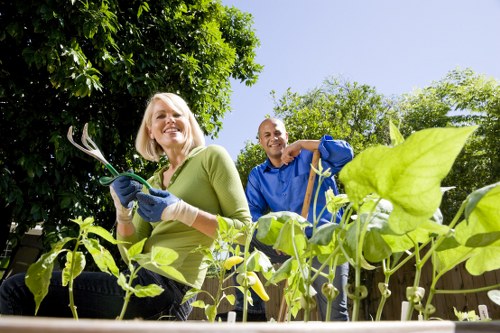 Operationally, our teams create an organised sustainable rubbish gardening area on every job. Waste is separated into discrete streams: green/organic, timber and bulky green waste, masonry and inert materials, recyclable plastics and metals, and items suitable for donation. We coordinate deliveries to nearby council transfer stations and third-party processors in Lambeth and Southwark, and where appropriate we utilise borough transfer stations and recycling hubs to ensure compliant disposal. This local routing reduces haulage distance and carbon impact compared with long-haul disposal.
Low-carbon fleet and low-impact site methods
To lower transport emissions we operate a fleet of low-carbon vans and vehicles tailored to urban garden work. Our fleet includes electric vans, hybrid cargo vehicles and pedal-assisted cargo bikes for small jobs in central Waterloo. These low-emission vehicles cut CO2 and local air pollutants, and they are essential when working in restricted or pedestrianised areas. We maintain vehicle routing software to minimise mileage and maximise payload efficiency, which supports our recycling percentage target by reducing transport-related emissions.Practical recycling and reuse activities we routinely implement include:
- On-site composting and hot-compost methods for green waste suitable for reuse as mulch and soil conditioner.
- Wood chipping from prunings and deadwood used as mulch paths and erosion control.
- Recovery and donation of usable pavers, planters and garden furniture to community allotments and local charities.
- Segregation of plastics and metals for council mixed recycling streams to avoid contamination.
 These activities complement borough waste separation schemes and help meet circular economy goals by keeping materials in productive reuse within Waterloo and neighbouring communities.
Local transfer stations and community partnerships
We work closely with local transfer stations and recycling centres operated or contracted by Lambeth and Southwark. Using these local hubs expedites processing and often allows green waste to return as compost or biomass feedstock rather than heading straight to landfill. Our relationships with transfer stations also let us prioritise routes that support the quickest turnaround into recycling and reuse streams.Partnerships with charities and community groups are a core part of our sustainability programme. We donate reusable timber, planters, soil (when uncontaminated), and surplus plants to community allotments, social enterprises and garden projects. Through these partnerships we extend the life of materials and help local organisations benefit directly from recovered resources. We do not sell unsuitable items for profit; instead we focus on redistribution to trusted local nonprofits and green-space initiatives.
In addition, we collaborate with tool libraries and volunteer groups to supply materials and expertise. These links reduce waste, foster local stewardship and support community resilience in Waterloo. We also provide regular briefings to community partners on how best to accept donations to ensure they remain useful and safe.
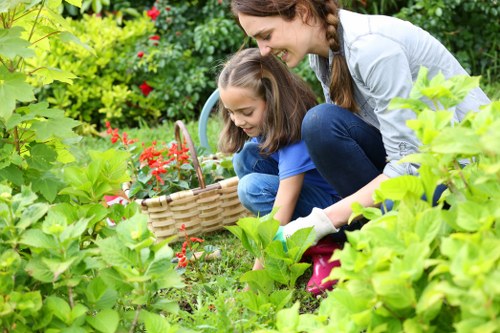 Designing a practical sustainable rubbish gardening area means planning for access, separation points, and temporary storage that prevents contamination. On-site signage, colour-coded bags and bins, and staff training ensure that glass, metal, plastic and organic streams stay distinct. We audit waste streams quarterly to track performance against our recycling goals and adjust practices where contamination or inefficiencies are found.
Our internal reporting shows incremental improvements: by documenting waste weights, destination facilities and reuse outcomes we measure success beyond simple diversion figures. We publicly commit to transparent targets—including our 75% recycling goal—while continuously improving operations to aim for higher reuse and lower residual waste over time. Close cooperation with borough enforcement and transfer station operators helps align our practices with local regulations and opportunities for material recovery.
 Garden Maintenance Waterloo, garden maintenance in Waterloo and Waterloo garden upkeep services all centre on practical sustainability. Whether maintaining private courtyards, council-facing green spaces or community plots, our systems focus on maximising material recovery, reducing carbon through low-emission vehicles, and supporting local charities and allotments with appropriate donations. We combine technical best practice with local knowledge of borough approaches to waste separation to deliver an eco-friendly waste disposal service that benefits customers and the wider Waterloo area. Our commitment is ongoing: continuous improvement, partnership with transfer stations and charities, and a low-carbon fleet make sustainable garden maintenance in Waterloo a realistic and measurable outcome for every project.